
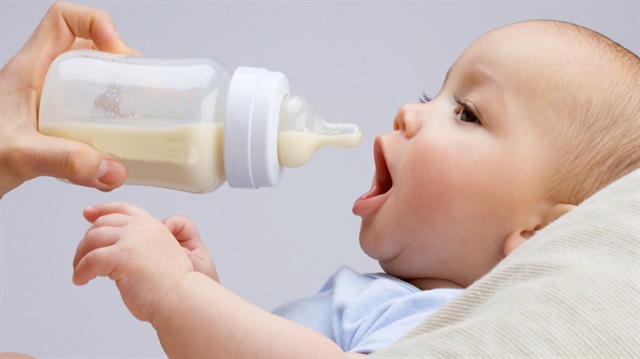
 Baby bottle tooth decay in babies and children begins with lesions in the form of whitish spots on the upper baby teeth, near the gums. This decay can affect all of the child's front teeth, both upper and lower. Lesions in the form of white spots can still be treated. For this reason, you should lift your child's lips and check their teeth regularly, and if you see whitish spots, you need to see a pediatric dentist without wasting time.
If lesions in the form of white spots are not treated early, the color will turn brown and pitting will occur. Feeding the baby with a bottle during the night, frequent use of sippy cups, and constant nursing can cause what is also known as Early Childhood Caries. If the baby is seen by a dentist after the first tooth comes in, no later than 1 year of age, and these checkups are repeated every 6 months, the dentist can prevent all kinds of tooth decay in the child, and will also notice possible jaw structure problems early, treat them, and support the child's dental and jaw development.
If baby bottle tooth decay in baby teeth is not treated in time, it will bring with it various problems such as inflammation, abscesses and infection in the surrounding soft tissue. These problems in the teeth will cause toothache and can also permanently damage the permanent teeth that will come in beneath the baby teeth. Therefore, a parent whose child has such a problem should consult a dentist without wasting time and have the necessary treatment done for their child.