
 Braces are the appliances used to correct misalignment of the teeth. Traditional braces are made of metal, but clear braces can also be used if the patient prefers. Braces, the most important treatment method in orthodontics, have a 100% success rate. Clear aligner treatment consists of a series of nearly invisible, removable aligners (clear trays). Your treatment continues as you replace these custom-made clear trays with the next one about every two weeks. Each new tray moves your teeth a little every week until they reach the final position planned by your dentist. In Invisalign treatment, patient compliance and regular, correct use of the trays are very important. It can be described as a patient-dependent treatment. Braces are made not only with invisible trays but also with metal brackets and ceramic brackets. In fact, metal brackets are the most commonly used type of braces. They are a preferred option in terms of both price and performance.
As part of braces treatment, after the diagnosis a virtual treatment plan is prepared for your teeth on a computer, and the aligners are produced according to this plan. This way, from the very beginning you can see how your treatment will progress and what shape your teeth will take in the end.
Braces are a treatment method that gives you the tooth alignment and smile you want without interfering with your daily life.
Types of Braces
Metal Braces
The traditional treatment method that first comes to mind when braces are mentioned. It is the most durable type of braces and provides healthy results.
Porcelain Braces
Porcelain braces are less visible than metal braces and are especially preferred by patients over 20 who put off orthodontic treatment. Because porcelain braces are more delicate than metal braces, they require careful use.
Lingual Braces
Known as adult braces, lingual brackets are placed on the back (inner) surface of the teeth rather than the front.
Clear Braces
Also called wireless orthodontics, this method is the most aesthetic braces treatment.
Damon Brackets
Damon brackets are an excellent type of braces that shorten long orthodontic treatments.
"Things Patients with Braces Need to Pay Attention To" - click to read.
Problems That Can Be Treated with Braces
Spaced Teeth – Diastema
Abnormal development of the jawbone can create gaps between the teeth. A lost tooth can also cause the other teeth to drift apart. If the gaps between the teeth are not closed, they can lead to gum disease.
-00d34aa2-e9dc-445d-922d-f79abe5104a5.jpg "Model1")
Deep Bite – Deepbite (Overbite)
This is when the upper teeth excessively cover the lower teeth. It usually occurs because of genetic problems or bad habits that cause the bone holding the upper teeth to overgrow. It can cause gum problems and sensitivity, as well as tooth wear and jaw pain.

Crossbite – Crossbite (Underbite)
It can result from missing upper incisors, overgrowth of the lower jawbone, underdevelopment of the upper jawbone, or both growth problems at the same time. It is a condition in which the lower front teeth sit in front of the upper front teeth. This structure can prevent the front teeth and molars from doing their jobs and leads to tooth wear. It can also cause joint and jawbone problems.
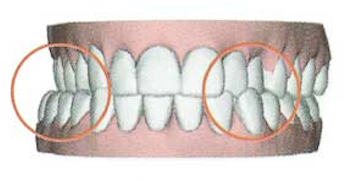
Open Bite – Openbite
An open bite occurs when some teeth do not touch the opposing teeth when the mouth closes. Causes can include excessive thumb sucking and genetic factors. It can cause inadequate chewing and digestion problems, difficulty speaking, and even a very serious problem, temporomandibular joint disorder.
-07fe9482-b25a-42a2-8612-e8aff9e9c232.jpg "Model2")
Severely Crowded Teeth
Crowding occurs when there is not enough room in the jawbone for all of your teeth. When left untreated, it usually gets worse and causes the teeth to become even more misaligned. Plaque buildup, tooth decay, and gum disease follow.

Crossbite in the Back Teeth – Crossbite
It occurs when the upper and lower jawbones are not the same width or when the jaw shifts to one side. A few upper teeth close on or inside the lower teeth, at the front or sides of the mouth. It can cause bone loss, gum disease, and tooth wear.

Does the Social Security Institution (SGK) Cover Braces?
About 10 years ago, it was possible to get braces in public hospitals under SGK coverage. However, as demand for braces treatment and its use for aesthetic purposes grew over the years, SGK had to take braces treatment out of its coverage. The social security system no longer covers braces treatments. Patients who want braces treatment need to make an appointment at a private dental clinic.
Braces Appointment
By booking a braces appointment, you can plan your braces treatment with our orthodontists.