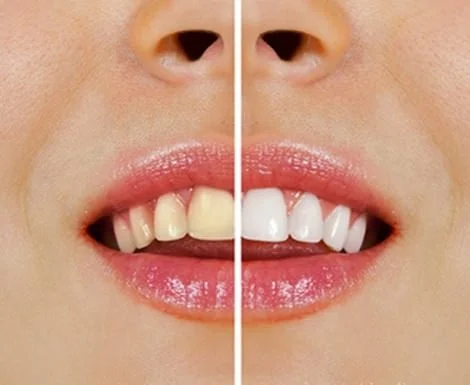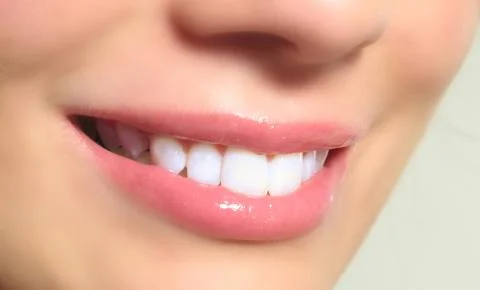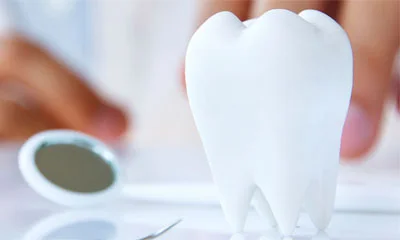
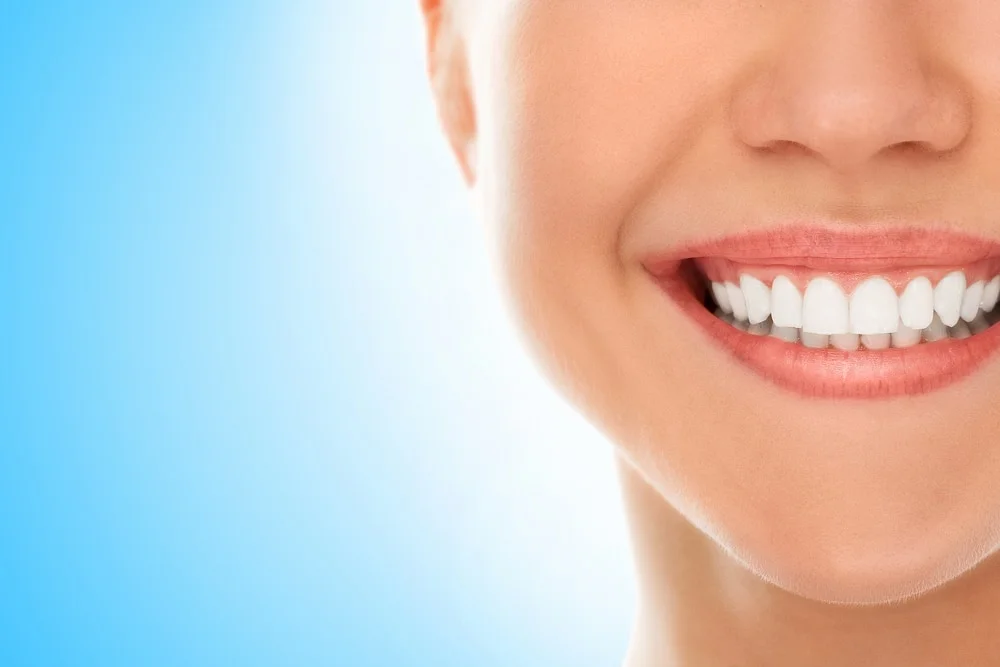
Biological whitening is a teeth whitening method that repairs teeth while whitening them and keeps tooth sensitivity to a minimum.
Biological whitening, a teeth whitening method for patients with high tooth sensitivity, repairs tooth enamel while whitening the teeth. Hydrogen peroxide, which causes sensitivity in teeth whitening, is used in a very low concentration in biological whitening, and the gel used contains enamel crystals, so no sensitivity develops in the teeth and whitening is achieved this way.
Biological whitening, a solution for patients who say “My teeth are sensitive, so I can’t have teeth whitening,” uses a concentration of hydrogen peroxide that keeps sensitivity to a minimum.
Is Biological Whitening Harmful?
Because biological whitening is a new method and differs from classic whitening methods, patients may have questions about whether it is harmful. However, we can say with full confidence that the biocompatible molecules used in the gel of biological whitening are not harmful to human health in any way.
What to Watch Out for After Biological Whitening
Staying away from drinks such as tea, coffee and cola for two weeks after biological whitening will help prevent the whitening effect from fading.
Is Biological Whitening Permanent?
Depending on use, the results of biological whitening can last 6 months to 1 year. For this reason, people who have biological whitening can extend how long it lasts by reducing smoking and limiting tea, coffee and cigarette use.