Want straighter teeth but can't decide between clear aligners and braces? We explain how the two differ, which cases suit each one, how long treatment takes and what to keep in mind along the way.
Today there are two main ways to straighten crowded, gapped or overlapping teeth: braces bonded to the teeth, and removable clear aligners. Both move teeth with gentle, controlled forces. The difference lies in how that force is applied and how it fits into your daily life. Which one suits you can only be decided after an examination and X-rays.
What are clear aligners?
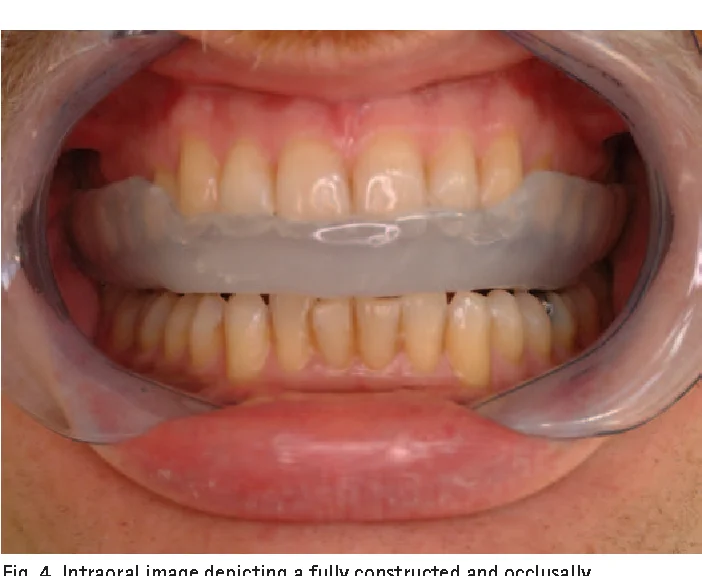
Clear aligner treatment uses a series of thin, transparent trays made to fit your teeth. Each aligner moves the teeth a small step towards the planned position and is usually replaced with the next one every one to two weeks. Aligners are hard to notice unless someone looks closely, and you take them out to eat and brush. They are often called Invisalign after the best-known brand.
To help the aligners grip, small tooth-coloured bumps (attachments) may be bonded to some teeth. They are removed without harming the teeth when treatment ends.
What are braces?
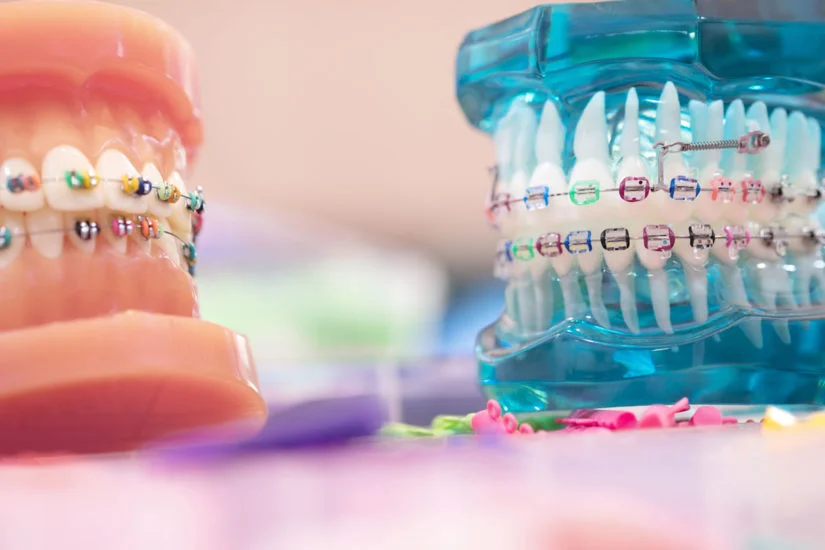
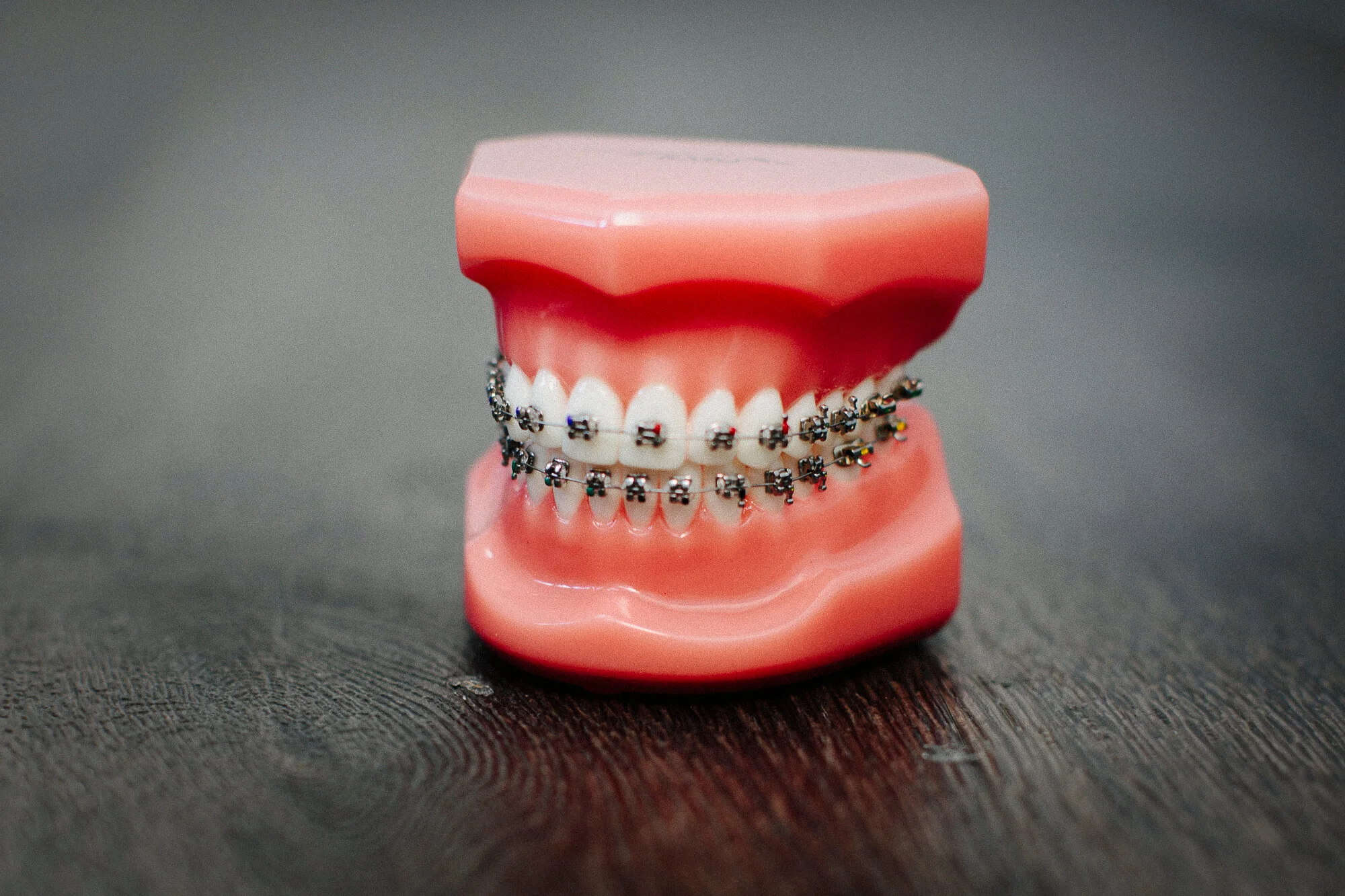
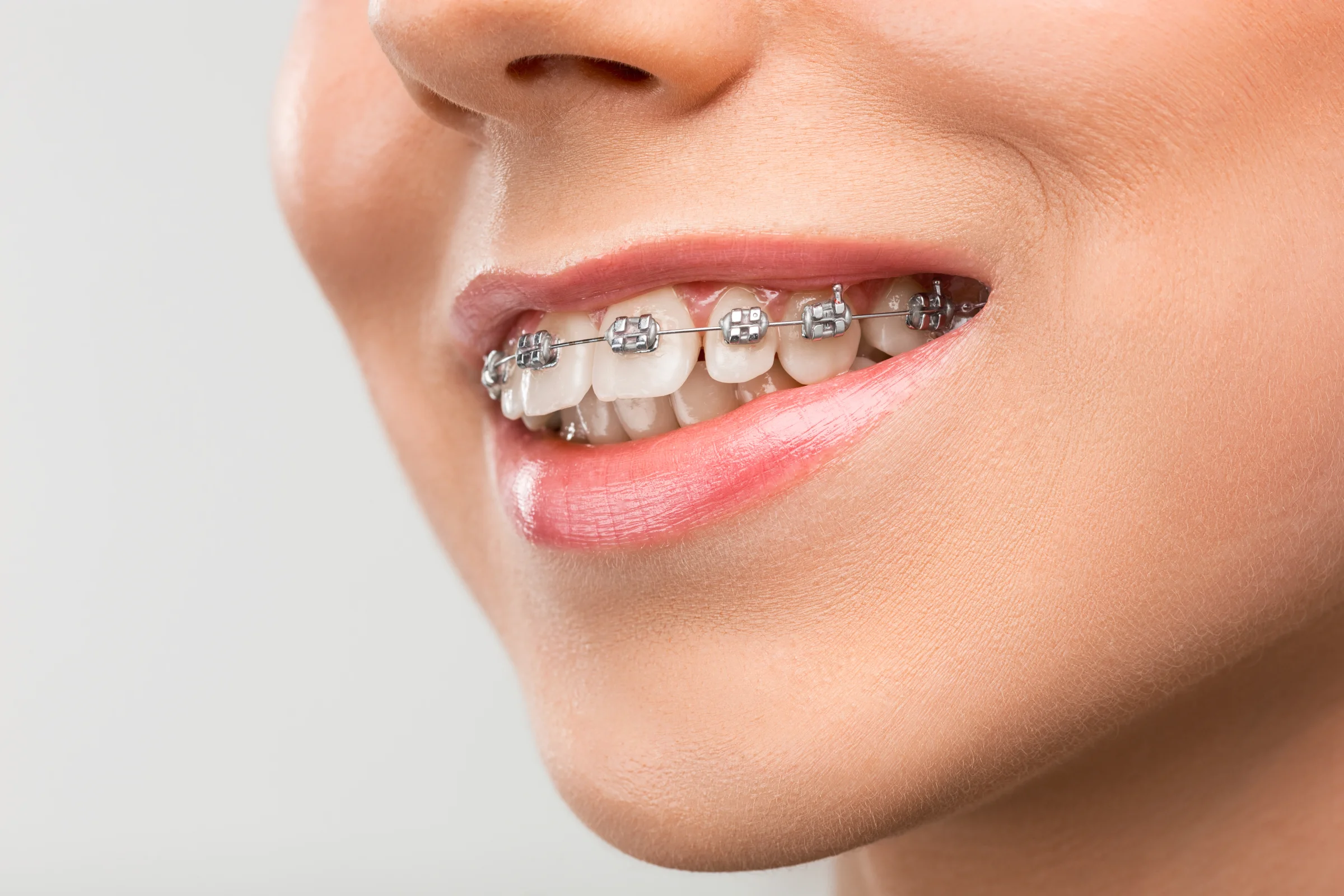
With conventional braces, small brackets are bonded to the front of the teeth and connected by a wire. Brackets can be metal or tooth-coloured ceramic. The wire is adjusted at regular check-ups to bring the teeth into place step by step. Because braces stay in the mouth all the time, they depend less on the patient and can be used in a very wide range of cases.
Clear aligners and braces compared
| Clear aligners | Braces | |
|---|---|---|
| Appearance | Almost invisible | Visible; less noticeable with ceramic brackets |
| Removable? | Yes, for eating and brushing | No, fixed |
| Wear | 20–22 hours a day | All the time |
| Eating | No restrictions, aligners come out | Avoid hard and sticky foods |
| Oral care | Easy, normal brushing | Careful cleaning around brackets |
| Suitable cases | Mild to moderate crowding, gaps | Almost all cases, simple to complex |
| Key to success | Wearing the aligners consistently | Not missing check-ups |
When is each one the better choice?
Clear aligners are usually a good option:
- for mild or moderate crowding or gaps between teeth,
- for adults who had braces before and whose teeth have shifted a little,
- for people who care about appearance at work or socially,
- for people who can commit to wearing aligners 20–22 hours a day.
Braces may be more suitable:
- for severe crowding, marked tooth rotations or jaw relationship problems,
- when teeth need to move a long distance or vertically,
- for children and teenagers who may find it hard to wear aligners regularly,
- when budget comes first (metal braces are usually more affordable).
In some cases the two methods are combined. What matters is planning the result properly from the start.
How long does treatment take?
It depends on how far the teeth need to move. Simple cases can be finished in a few months, while comprehensive treatment usually takes one to two years. With aligners the timeline depends largely on wearing them consistently; with braces, on keeping check-up appointments. With either method, a retention phase is needed afterwards so the teeth do not drift back.
Does it hurt?
Neither method is painful. For a few days after switching to a new aligner or having the wire adjusted, the teeth may feel pressure and tenderness, which usually fades quickly. In the first weeks with braces, brackets may rub against the lips and cheeks; orthodontic wax helps. See our article on braces pain for more.
Before you decide
The right method is chosen by looking at your teeth and jaws, your expectations and your daily routine together. At the consultation we examine your mouth, take the necessary X-rays and explain the suitable options with an estimated duration and cost. Any gum disease or decay is treated first.
The orthodontics department at DentAtaşehir offers clear aligners as well as metal and ceramic braces. For a pre-assessment you can send photos of your teeth or an existing X-ray online, or make an appointment request. We are open at weekends and our team speaks English.
Frequently asked questions
Can clear aligners be used at any age?
There is no upper age limit for adults with healthy teeth and gums. For children and teenagers, jaw growth and whether the aligners will be worn consistently are assessed together.
How many hours a day should clear aligners be worn?
Usually 20–22 hours a day. Take them out only to eat, to drink anything other than water and to brush. Wearing them less can lengthen treatment or keep you from reaching the planned result.
Are clear aligners more expensive than braces?
Clear aligners usually cost more than metal braces. The exact fee depends on how complex the case is and how long treatment takes, and is set after the examination.
Will my teeth move back after treatment?
If the retention phase is skipped, teeth can gradually drift back towards their old positions. That is why a fixed retainer wire or a clear retainer worn at night is used after treatment.