Who can get braces and who cannot?
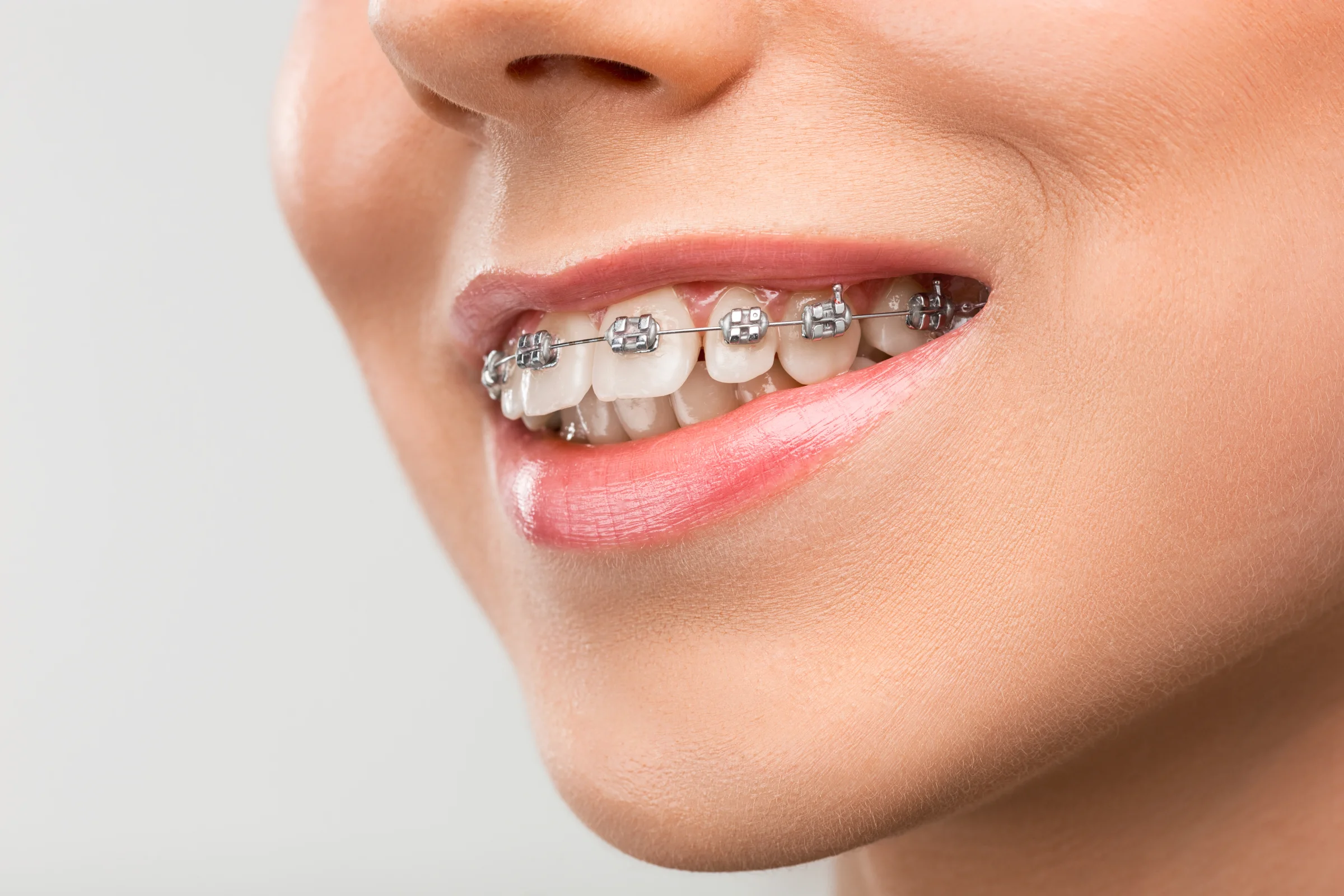
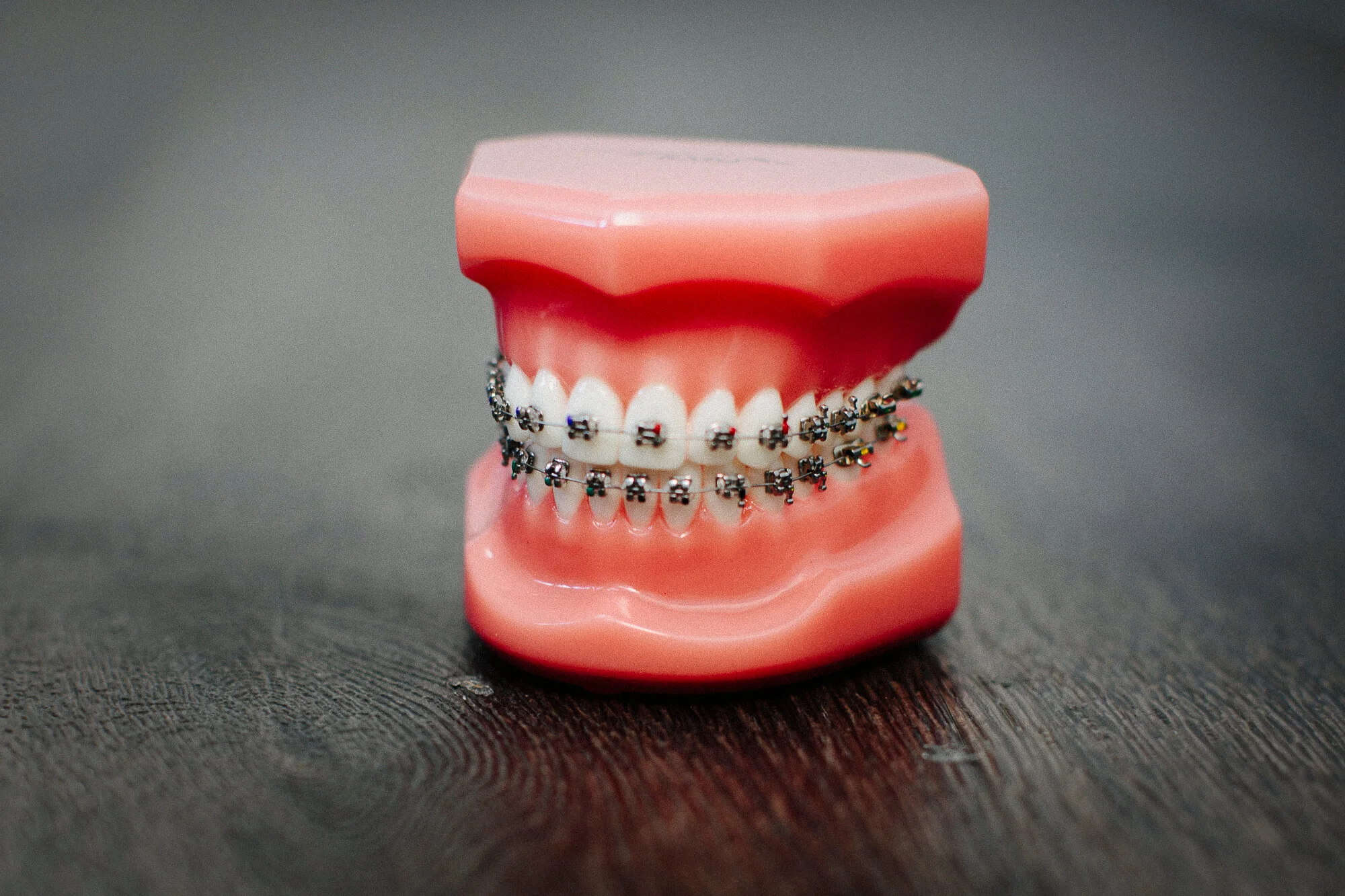
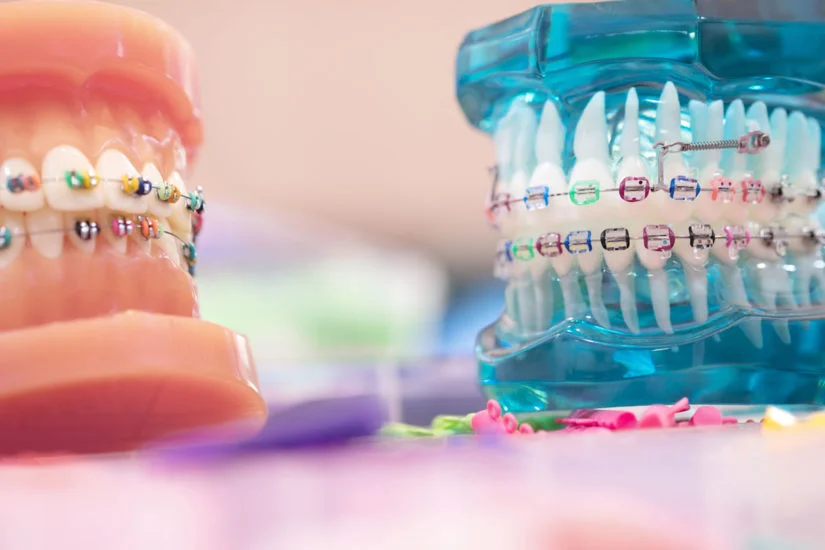
Orthodontic treatment, commonly known as braces, can be applied to anyone whose teeth are crowded, crooked or misaligned. Although patients often begin treatment out of aesthetic concerns, the goal from the dentist's and orthodontist's point of view is for the teeth to be healthier and in the correct position. Contrary to common belief, braces can also help resolve problems such as speech difficulties and teeth grinding.
Orthodontic treatment begins when you see an orthodontist or visit an orthodontics department. First, an X-ray of your teeth is taken to assess the general condition of your oral and dental health. Any problems in your mouth, such as cavities, abscesses, a need for root canal treatment, infection or tartar, are treated. Resolving these problems is very important for orthodontic treatment to proceed in a healthy and well-planned way. We recommend that patients in this situation see an orthodontist.
What Age Groups Can Receive Orthodontic Treatment?
Every patient who wants to have orthodontic treatment and has tooth alignment problems has the same questions. Can I get braces? Are braces suitable for me? Are braces put on middle-aged patients? Orthodontics and braces are a treatment method that can be applied to patients of any age. It can be applied regardless of whether you are a woman, man, teenager, older adult or child. Orthodontic treatment, applied to every patient who is unhappy with their teeth, is a treatment method with a 100% positive outcome. To put any questions about children to rest, it is worth noting that braces are applied to children who have lost their baby teeth and whose permanent teeth have fully erupted.
Why are braces necessary?
- Patients with crowded or crooked teeth see 100% improvement.
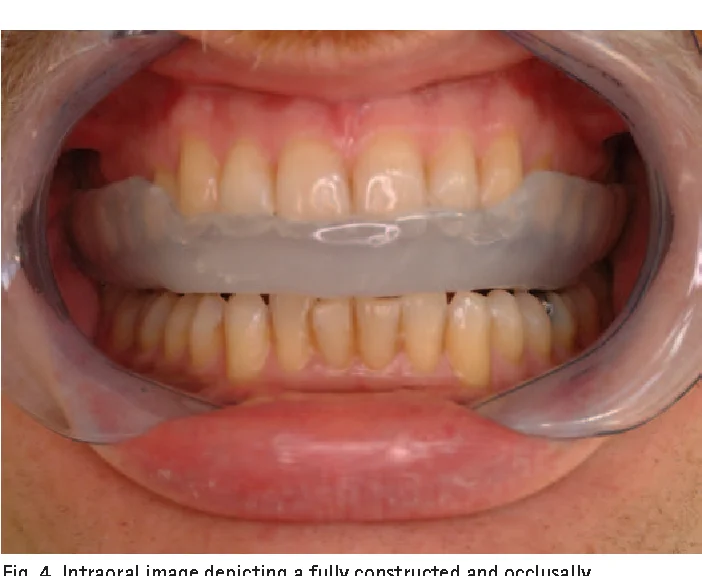
- Contrary to common belief, braces are also a treatment method for patients who breathe through the mouth, sleep with the mouth open or snore.
- When jaw irregularities need to be corrected, and when the upper and lower jaws are very disproportionate to each other.
- For patients who have gaps between their teeth even though they have no problem with their teeth or jaw.
- For all patients with tooth alignment problems.
- For patients whose teeth overlap.
- For patients whose teeth are rotated.
- In some cases, braces are needed purely to protect dental health. For example, a patient whose back teeth turn inward may not be bothered by this aesthetically, but because it makes the teeth harder to clean, it can lead to other problems later and negatively affect oral and dental health (cavities, gum disease, bad breath), so braces treatment is important from the standpoint of orthodontics.
When Can Braces Not Be Applied?
There is no situation in which braces cannot be applied. If you have any hesitation on this subject, we recommend that you consult a dentist.