What is tooth wear? How is tooth wear treated?
In the mouth, besides decay, different forms of chronic destructive processes affect the teeth. In the clinic, these appear as tooth wear. Different factors generally play a role in how wear develops. Depending on the factors involved, tooth wear is named attrition, erosion, abrasion, or abfraction.
Wear caused by teeth contacting each other is called attrition, chemical dissolving of the teeth through acid attacks is called erosion, loss of hard tissue caused by physical factors is called abrasion, and wear in the cervical area caused by excessive occlusal stress is called abfraction.
What should people with tooth wear do?
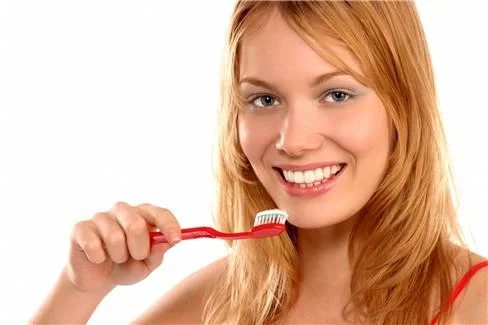
- Replace toothbrushes with hard bristles with brushes that have softer bristles.
- Use gel-type toothpastes that are not abrasive.
How is tooth wear treated?
If tooth wear is “V”-shaped, it can be assumed to be caused by toothbrush effects; if it is “U”-shaped, it can be assumed to be caused by acidic foods and drinks. Finding the cause of the wear is extremely important for treatment. During treatment, the factors causing the wear are first eliminated, and treatment is then applied according to the effect of the wear.
Can tooth wear be prevented?
If tooth wear is caused by acid, for example from eating too many lemony or acidic foods, it can be prevented by drinking beverages through a straw and not brushing your teeth right afterward.
If tooth wear is caused by using a very hard brush or by rough use of the teeth, it can be prevented by teaching the patient correct brushing, choosing the right toothbrush with softer bristles, and changing the brushing technique.
If tooth wear has developed because of teeth clenching, and acid or brushing wear is also observed, clenching is prevented by applying a night guard, and in more advanced cases psychological support may also be considered, but it is usually resolved with a night guard.